
Finding beauty in the unfixable: Lisa Olivera on the power of turning towards our pain
Plus a GIVEAWAY of her new book, When the Ache Remains


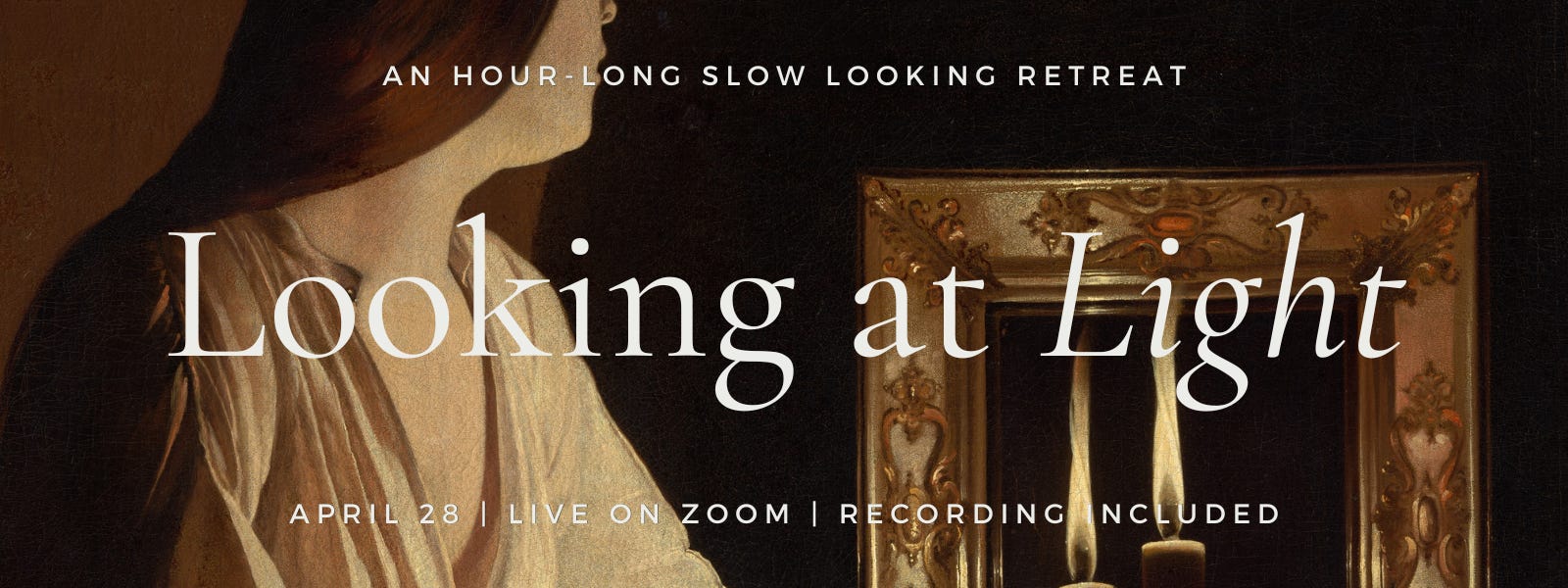
✨ Reminder: I hope you’ll join me this Tuesday (April 28) for Looking at Light, an online gathering where we’ll practice looking at our lives like a work of art by exploring the light and shadows around (and within) us.
Hello,
I’m coming to you today with something really special.
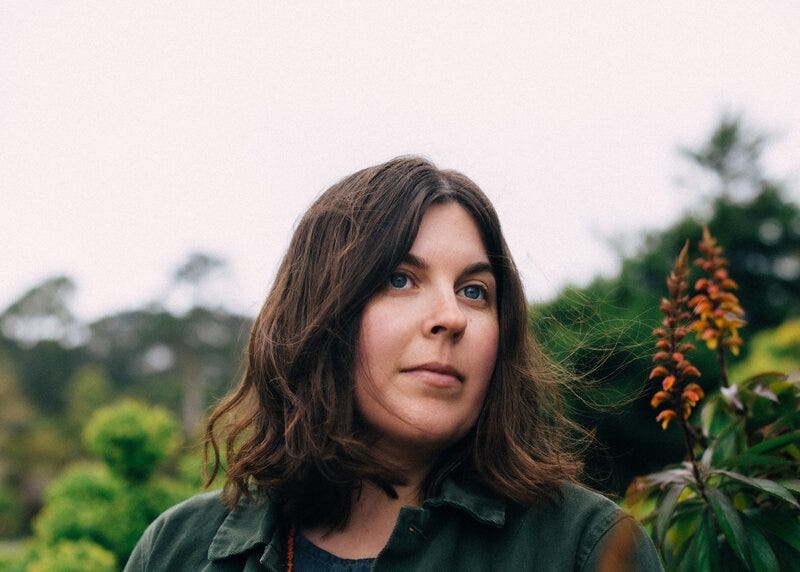
Lisa Olivera is an author and therapist whose work has touched my life in profound and tender ways over the years. Her words wrap themselves around the painful places within me, holding them gently, firmly, until even my most frozen parts melt in the warmth.
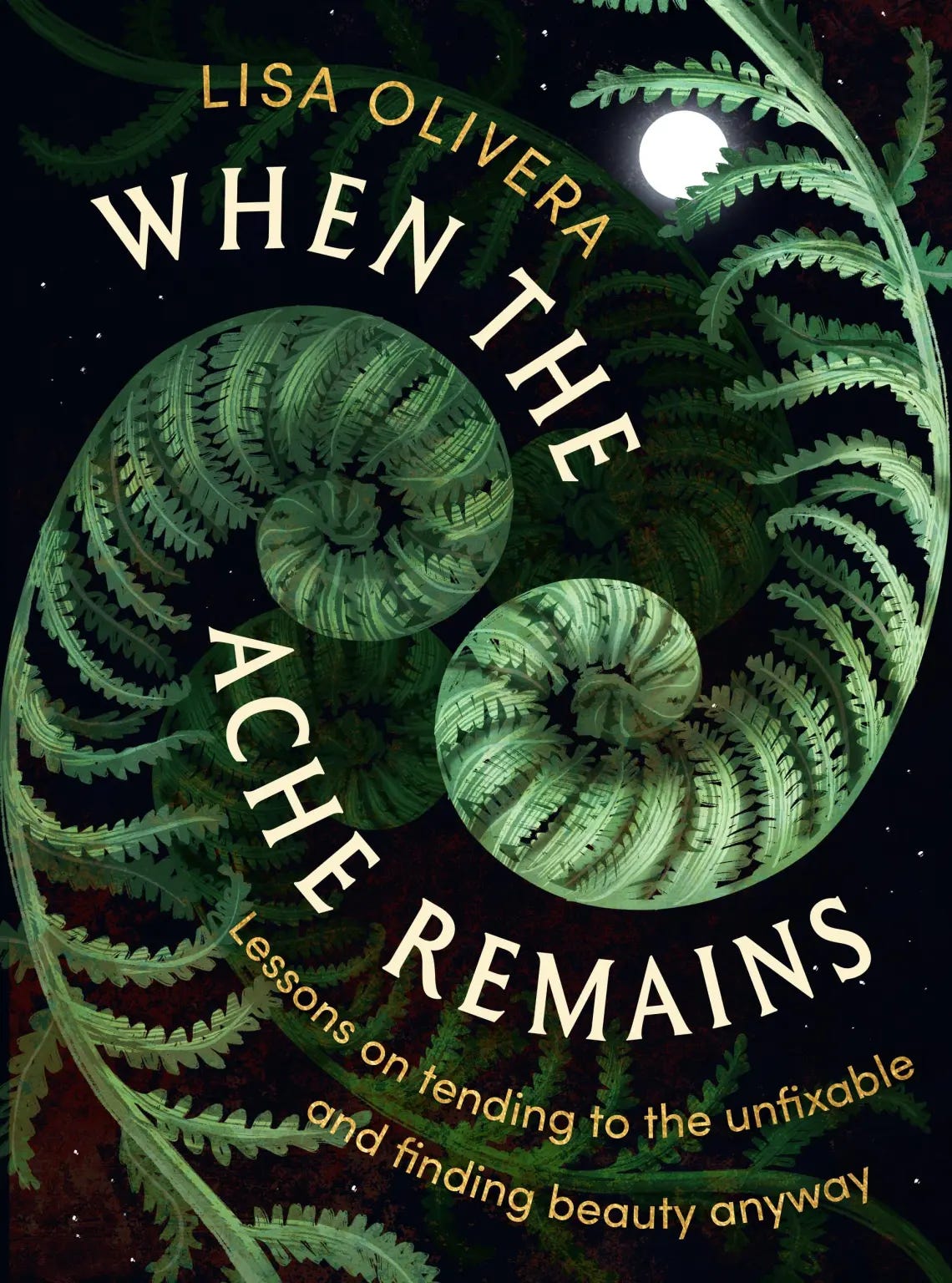
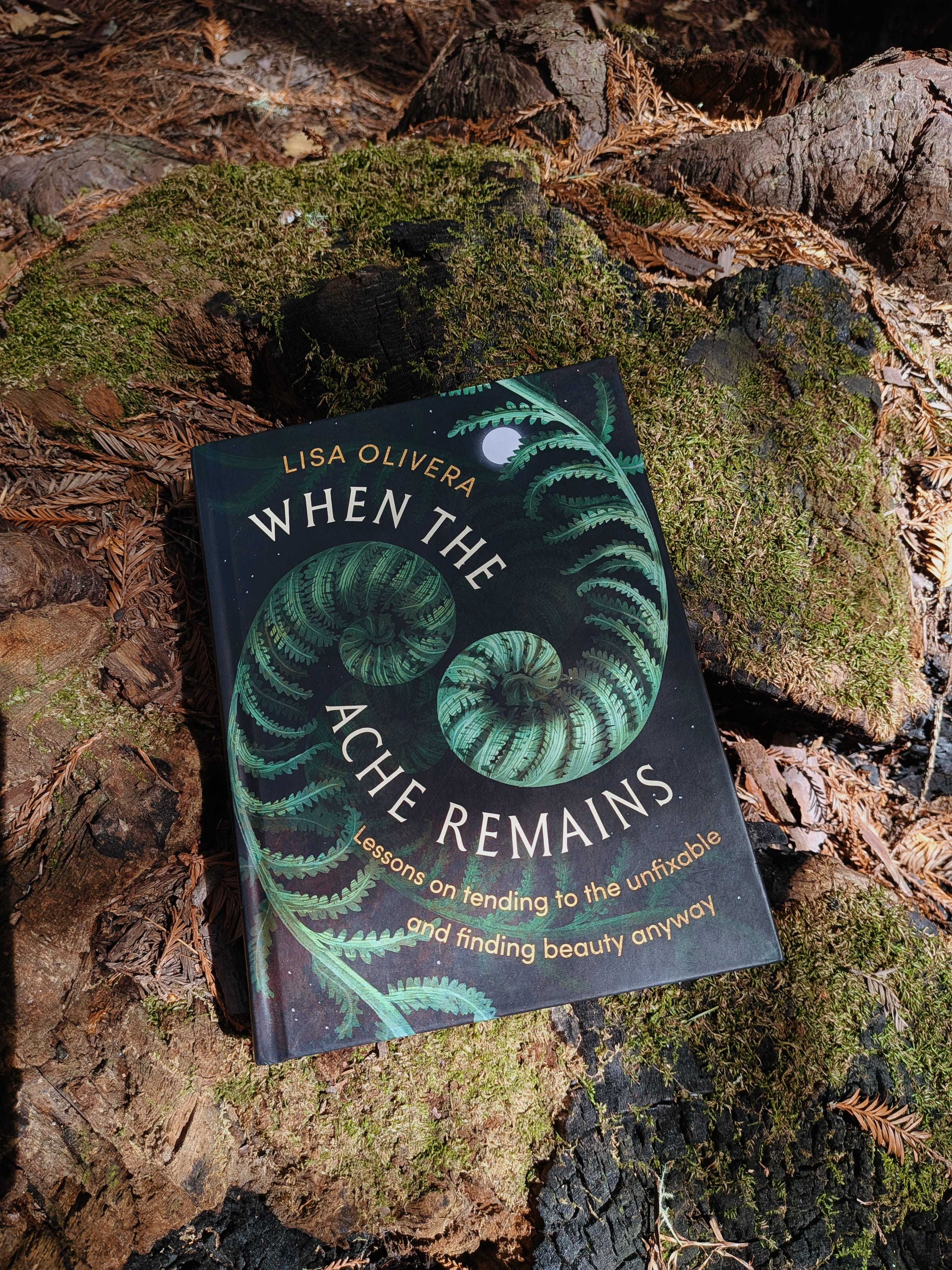
I had the pleasure of interviewing Lisa about her upcoming book, When the Ache Remains: Lessons on Tending to the Unfixable and Finding Beauty Anyway.
(What a title!)
Written in a voice that sings in the key of poet-therapist-mother-daughter-friend-human, When the Ache Remains guides readers through impossible, uncomfortable, beautiful questions:
“How do we confront and tend to the painful parts of being human without letting that pain entirely overtake us? How do we find joy even when depression visits, even when we lose someone we love, even when the hurt of the world is ever-present? How do we cultivate aliveness in the midst?”
Lisa weaves the textures of her own embodied experiences and personal narratives into invitations for us to explore the paradox and beauty of cultivating relationships with our whole selves.
The book, in short, is a love story.
In our interview, Lisa shares how motherhood invited her into new ways of paying attention to her deepest pain, how she sustains the work of turning towards what she used to turn from, and how nature and embodiment inform her writing practice. She also offers us a prompt for experimenting with new ways of cultivating aliveness through our attention.
I could not be more thrilled to share this conversation with you.
🌿 I’m hosting a GIVEAWAY 🌿 For a chance to win a copy of When the Ache Remains, leave a comment sharing your thoughts on our conversation and/or restack this post. (More details below.)

Marina: It can feel deeply counterintuitive to choose to enter into a relationship with our pain rather than trying to ‘fix’ it. What led you to move in this direction, and what has it birthed?
Lisa: Most of my life was spent running from, avoiding, minimizing, and pathologizing my pain. So much of my energy went toward seeking to eradicate it entirely. I associated pain with badness instead of seeing it as information, as a signal, as something worth listening to. When I became a mother and much of my “old” pain resurfaced, I had a deep realization that it was actually longing for my attention, my accompaniment, and my companionship. It was practically begging me to slow down and sit beside it – to listen to what it was trying to tell me. It didn’t want me to get rid of it… it wanted my care, and my love.
When I became a mother and much of my “old” pain resurfaced, I had a deep realization that it was actually longing for my attention, my accompaniment, and my companionship. It was practically begging me to slow down and sit beside it – to listen to what it was trying to tell me.
Learning how to tend to, care for, and accompany my pain has created a sense of spaciousness and nurturance within that has felt so much more like wholeness than striving to find my way outside of my aches ever did. It has given me so much permission to let my humanness spill out of the containers I often provide for myself that tend to be a bit too small. Relating to my pain as an ally and wise guide has loosened my grip on who I think I’m supposed to be, and carved a path of fluidity where stagnancy once lived. And it has gifted me more compassion for all the ways we each hold pain in our own ways, individually and collectively. There is a real courage and tenacity to be found in meeting these achy places instead of turning away. There is a real power there, and it widens every time I remember.

Marina: How do you sustain the work of tending?
Lisa: That word, sustaining, feels so potent and necessary in the work of tending to ourselves and all life requires of us. Sustaining the work of tending, to me, means moving slowly and trusting that slowness adds up to something. It means greeting the moment as it is, which often insists on accepting what isn’t. It means being willing to ask for help, which demands being seen outside of any completion or performance. It means listening deeply to what’s stirring within and being willing to respond from the heart. It means often doing what I don’t want to do, because it is what I need. It means letting myself have needs. It means ample room for forgetting and remembering, for dropping the ball and trying again. And it means tending with as much room for the fullness of my humanity as possible.
Sustaining the work of tending, to me, means moving slowly and trusting that slowness adds up to something.

Marina: Can you share an example of finding beauty in the unfixable?
Lisa: I think there is beauty even in the willingness to search – even in the orientation toward it, amid all else that exists. To find beauty in the unfixable is different from spiritual bypassing or toxic positivity, because it doesn’t ask us to move away from what hurts. Instead, it asks us to orient all around us and invite in the beauty, goodness, joy, and connection that is somehow still here, right alongside the pain. It can look so tiny: watching a bumblebee gathering nectar. A child’s laughter. The ease you feel in your pinky toe. A perfect song playing at the right moment. And it can be wide: the beauty of the moon. The wide generosity everywhere. Towering forests still standing. Possibility blanketing a future we don’t yet see. Finding beauty in the unfixable is really about attuning to the whole, which makes it less overwhelming to stay with the hurt when it arrives.

Marina: You’ve written about trusting the timing of your own unfurling. How has writing this book invited you more deeply into expansion and surrender? How do you know when you’re ready to reach beyond your current edges?
Lisa: Writing this book has brought me to the edges of what it means to share from the fullness of me, rather than only from my therapist part or only from my On-The-Other-Side self. I wrote much of this book while I was moving through my own process of embracing and nurturing resurfaced pain, and it felt like an intentional choice to not wait until I was on the other side before I gave myself permission to write what I needed, and what I know others need. Part of writing this book was a practice of really embodying what I say I know, and letting that embodiment become part of what I’m here to share. When I feel the buzzy sensation of excitement alongside my fear, when I can’t seem to stop circling around an idea or way of being, when not doing something feels more tender than simply going for it, that’s when I tend to know I’m ready to expand past the edges of my current shape. It always feels wobbly at first, but there is also a rootedness underneath that wobble. I try to root into that place to hold me amid the trying.
Part of writing this book was a practice of really embodying what I say I know, and letting that embodiment become part of what I’m here to share.

Marina: How does the natural world inform your writing practice? Could you paint us a portrait of the sensory details in one of the places that held the creation of this book?
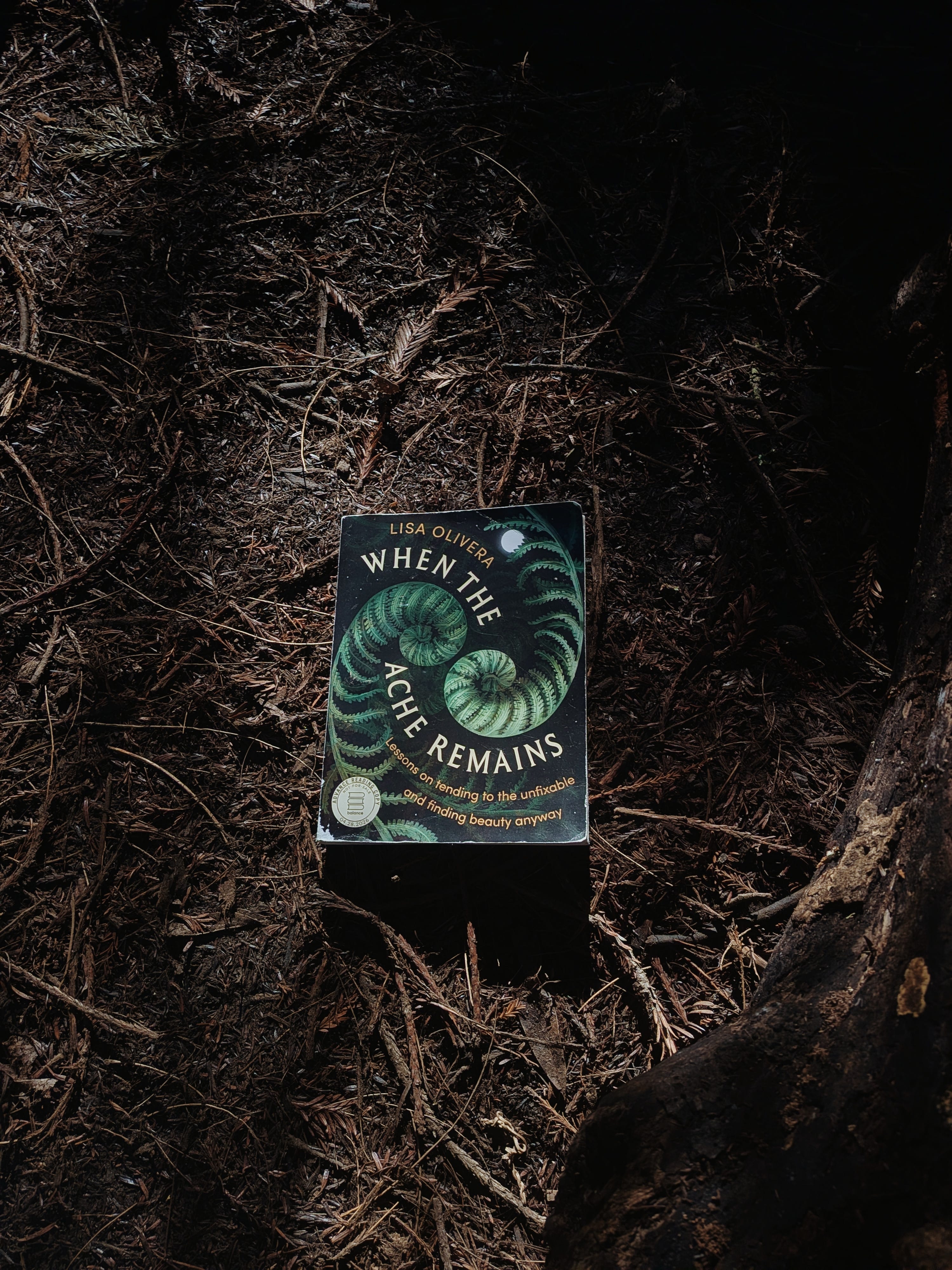
Lisa: The natural world always feels like a container bigger than my own body, that can hold so much more than I can. It also helps me metabolize what’s happening within, expanding the context of my individual self outward toward all I’m inherently connected to. One of the places I wrote parts of this book in is the Mendocino Coast in Northern California – a place I’ve spent a lot of time in, a place that feels a bit like a portal to deepening for me. Walking along the Mendocino Headlands at sunset will both shrink you and widen you; it will show you the smallness of your quiet life, while amplifying the bigness of being here at all. Gulls, seals, crashing waves, the scent of redwood and salt, and the newly blooming wildflowers all feel like a backdrop for the process of digging deep and coming up for air with something to share. Connecting with the natural world, and remembering I am not a visitor to it but a part of it, helps anchor me in sharing from generosity of spirit. It reminds me I’m never truly alone, which gives me so much courage in my writing. The natural world teaches me that each of our offerings don’t need to be everything, because they are weaving with countless other offerings that contain what ours don’t. We get to throw our offerings in the bigger pot and trust they’ll add to a tapestry we’ll all weaving together. That gives me strength, and also so much relief.

Marina: This newsletter offers ideas for playing with new ways of paying attention to lived experience. Could you give readers a prompt for how they can experiment with cultivating aliveness through their attention?
Lisa: I find practicing with sensation to be such a powerful way of accessing aliveness through attention. To notice sensations that are present in the face of something beautiful, for example: when you are in a beautiful place, or witnessing something that moves you, how do you know you are moved? How do you know it’s beautiful? What sensations, movements, and feelings arise that signal beauty to you? Tuning into the felt sense when you notice identifying something as beautiful or moving can amplify the way your body holds that beauty a little longer, and can allow you to familiarize yourself with the language of your soma as another pathway toward aliveness, one you can return to again and again.

When the Ache Remains comes out this Tuesday, April 28 🌿
Pre-orders are a big way to support authors, and I hope you’ll join me in lifting up Lisa’s gorgeous book in this way:
Other helpful (free) ways to support authors whose work is meaningful to you include asking your local library to acquire their book, spreading the word on social media, and leaving glowing reviews online.
GIVEAWAY: To celebrate the upcoming launch of When the Ache Remains, I’m hosting a giveaway!
To enter for your chance to win a copy of Lisa’s new book, leave a comment with your thoughts on this conversation below, and/or restack this post 🌿
Commenting and restacking count as separate entries, so if you do both you’ll have two entries in the giveaway!
Giveaway closes Tuesday, April 28, 2026 at 5pm EDT. Canada and United States shipping addresses only. (Full details about rules and eligibility at the bottom of this post.)
I am thankful to Lisa for the generosity and courage of consistently holding space for us to explore important questions through her work with tenderness, wisdom, and embodied integrity. You can find more of her writing in the Human Stuff newsletter, her Instagram poem-posts, and her first book Already Enough about reframing the stories we tell ourselves.
Wishing you the courage and curiosity to turn towards what you used to turn from.
Warmly,
Details about the giveaway:
Entries consist of leaving a comment on this Substack post and/or restacking this post (each participant can have up to 2 entries in the giveaway) by Tuesday, April 28, 2026 at 5pm EDT. Eligible participants must be aged 18+ with a shipping address in the United States or Canada. A winner will be selected at random from the entries received on April 29, 2026, and will be contacted on Substack to claim their prize after answering a time-limited math skill-testing question (a legal requirement for Canadian giveaways I’ve learned! 🇨🇦). No purchase is necessary to enter. The prize is valued at the cost of a physical copy of When the Ache Remains and the associated costs of shipping it, and it has no cash redemption value. Odds of winning depend on the number of entries received.
Détails du concours :
Pour participer, il suffit de laisser un commentaire sur cet article Substack et/ou de le partager en ‘restack’ (chaque participant.e peut obtenir jusqu’à deux entrées au concours) avant le mardi 28 avril 2026 à 17 h (heure de l’Est). Les participant.e.s éligibles doivent être âgé.e.s d’au moins 18 ans et disposer d’une adresse de livraison aux États-Unis ou au Canada. Un.e gagnant.e sera tiré.e au sort parmi les entrées reçues le 29 avril 2026 et sera contacté.e sur Substack pour réclamer son prix après avoir répondu à une question de mathématiques à durée limitée (une exigence légale pour les concours au Canada, comme je l’ai appris ! 🇨🇦). Aucun achat n’est nécessaire pour participer. La valeur du prix correspond au prix d’un exemplaire papier de When the Ache Remains et aux frais d’expédition associés, et il n’a aucune valeur de rachat en espèces. Les chances de gagner dépendent du nombre de participations reçues.
 | A guest post by
|